Frappeverse keynote: ERPNext localization becomes part of the growth plan
· Shrivardhan Goenka · 4 min read · Updated
This article is part of our Frappeverse Mumbai 2026 recap, which covers all nine keynotes.
ERP software can travel quickly. Tax rules cannot. Every country brings its own filings, invoices, payroll requirements and reporting formats, which means ERPNext needs more than translation before it can work as a genuinely local product.
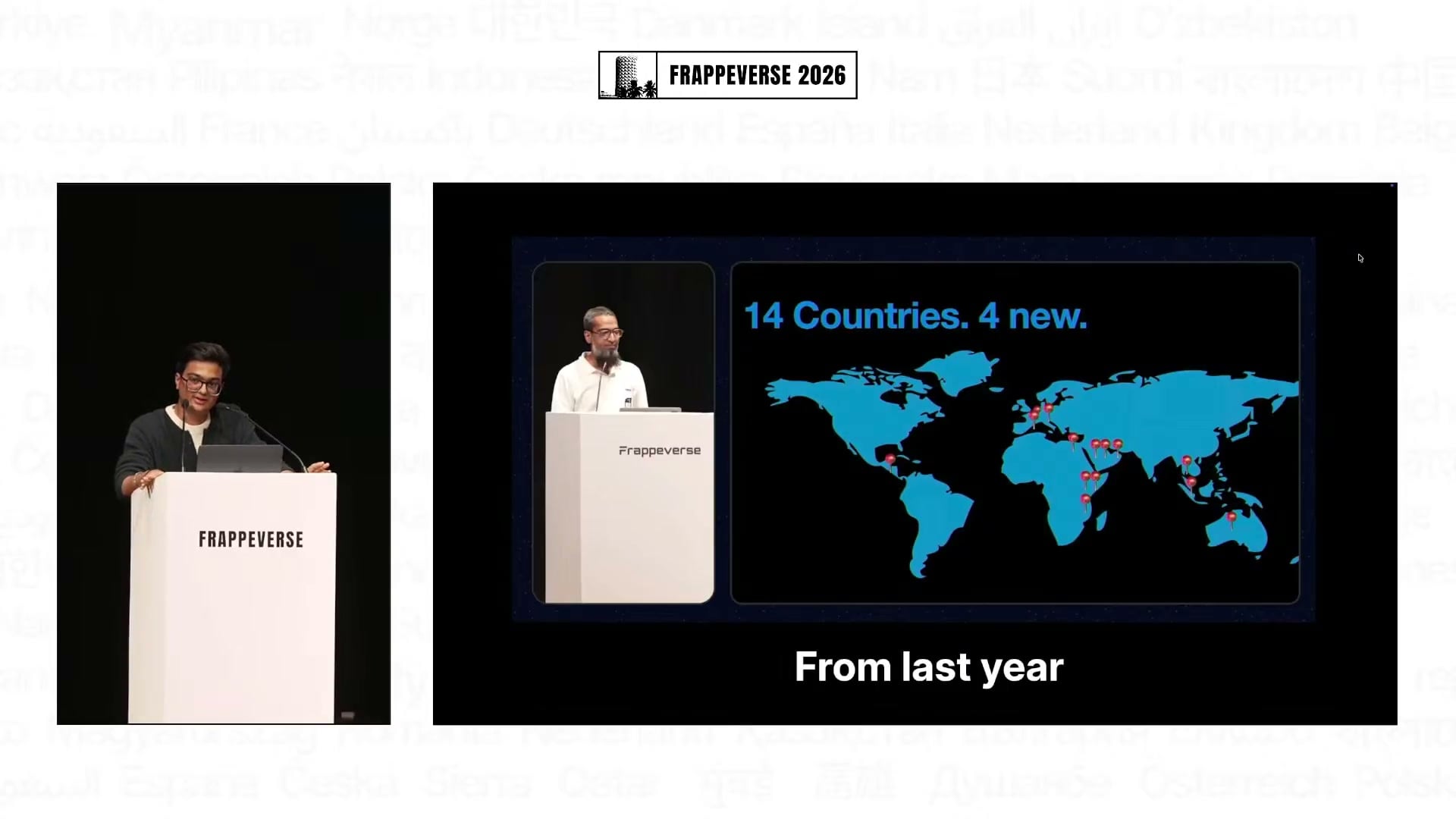
That was the argument behind Frappe’s compliance and localization keynote at Frappeverse Mumbai 2026. Product analyst Raghav Ruia delivered the session in place of Frappe VP of Partnerships Umair Sayed, who was unavailable on the day. In a compact presentation, Ruia showed an ecosystem that now spans 25 compliance apps, with country apps for 14 markets live on Frappe Cloud and 13 apps already compatible with version 16.
Frappe is pairing those compliance apps with regional discovery, local partners and interfaces people can use in their own language. Localization is becoming a more complete route into a market.
Compliance is part of the product
For an ERP, regional compliance is not an optional extension. It determines whether a business can calculate taxes, file returns and keep accounts in the format its government expects.
ERPNext approaches that problem through country-specific, open-source apps. Local partners and contributors bring the regulatory knowledge, Frappe provides the platform and Frappe Cloud distribution, and the localization working group reviews apps and advises their builders. Ruia said the ecosystem had grown 70 percent over the previous year. Recently introduced apps cover work such as US payroll and TaxJar, UK VAT, UAE e-invoicing, and compliance requirements across Bangladesh, Singapore, Nigeria, Zambia, South Africa, the Philippines, China, Tanzania and Pakistan.
This model matters because no central product team can continuously encode the rules of every jurisdiction. Regional contributors can build the last mile, while the wider ecosystem benefits from a product that can enter more markets.
Australia shows how one app can open a market
Ruia used Australia to show what that looks like in practice. An Australian ERPNext adopter found no local partner, Frappe Cloud region or compliance app. Instead of stopping there, he contributed the ERPNext Australian Localisation app.
Frappe incubated the app and subsequently made Australia available as a Frappe Cloud region. Ruia said recurring revenue from Australia rose sharply after that, while events funded through the incubation brought the contributor new ERPNext implementation customers.
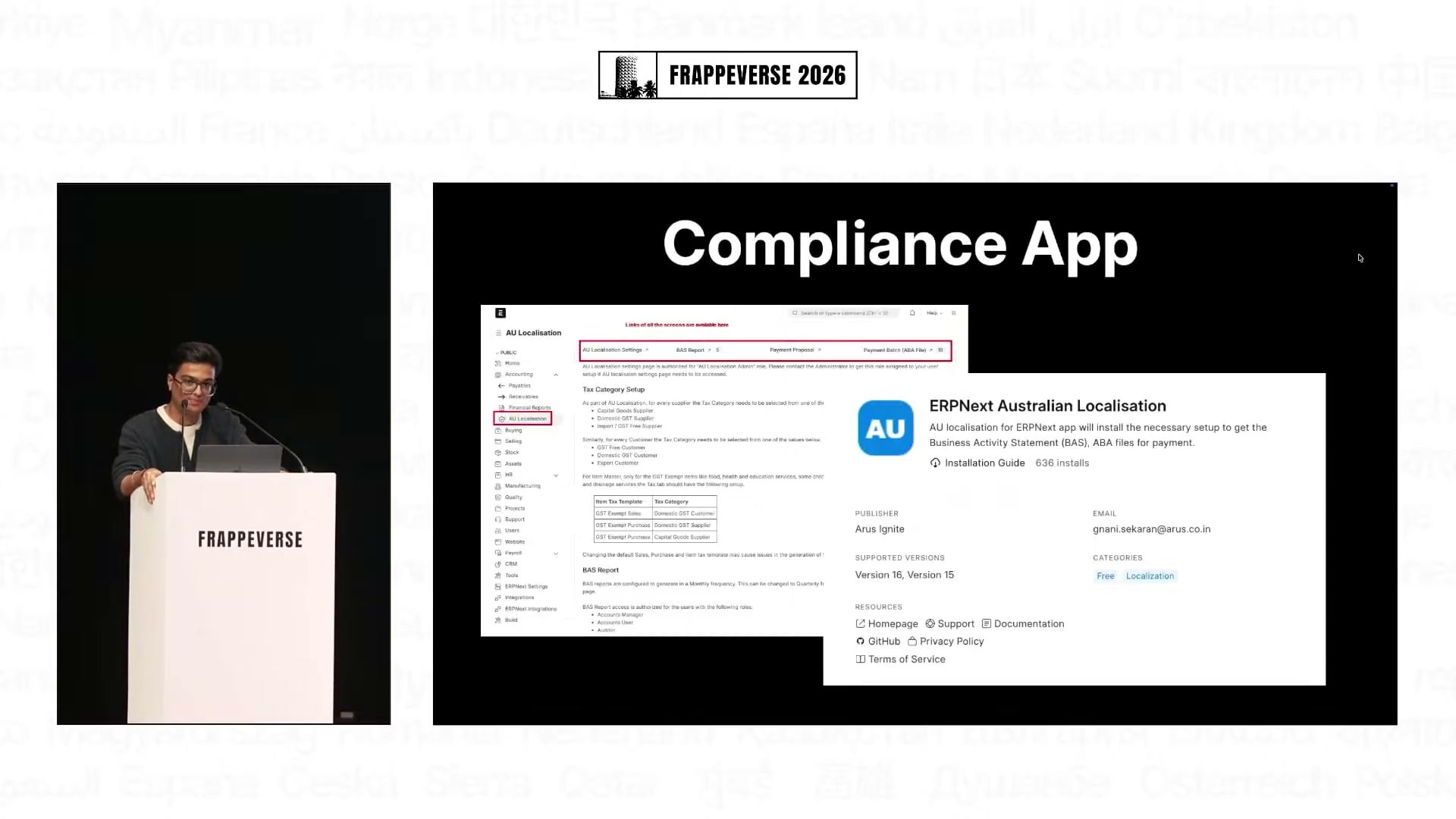
It is a useful example of open-source product work and commercial growth reinforcing each other. The compliance app made ERPNext viable locally; hosting made it easier to adopt; and adoption created work for the regional ecosystem.
More apps, with a clearer quality bar
Coverage alone is not enough. Tax and statutory software needs to remain accurate, maintainable and understandable to the people configuring it.
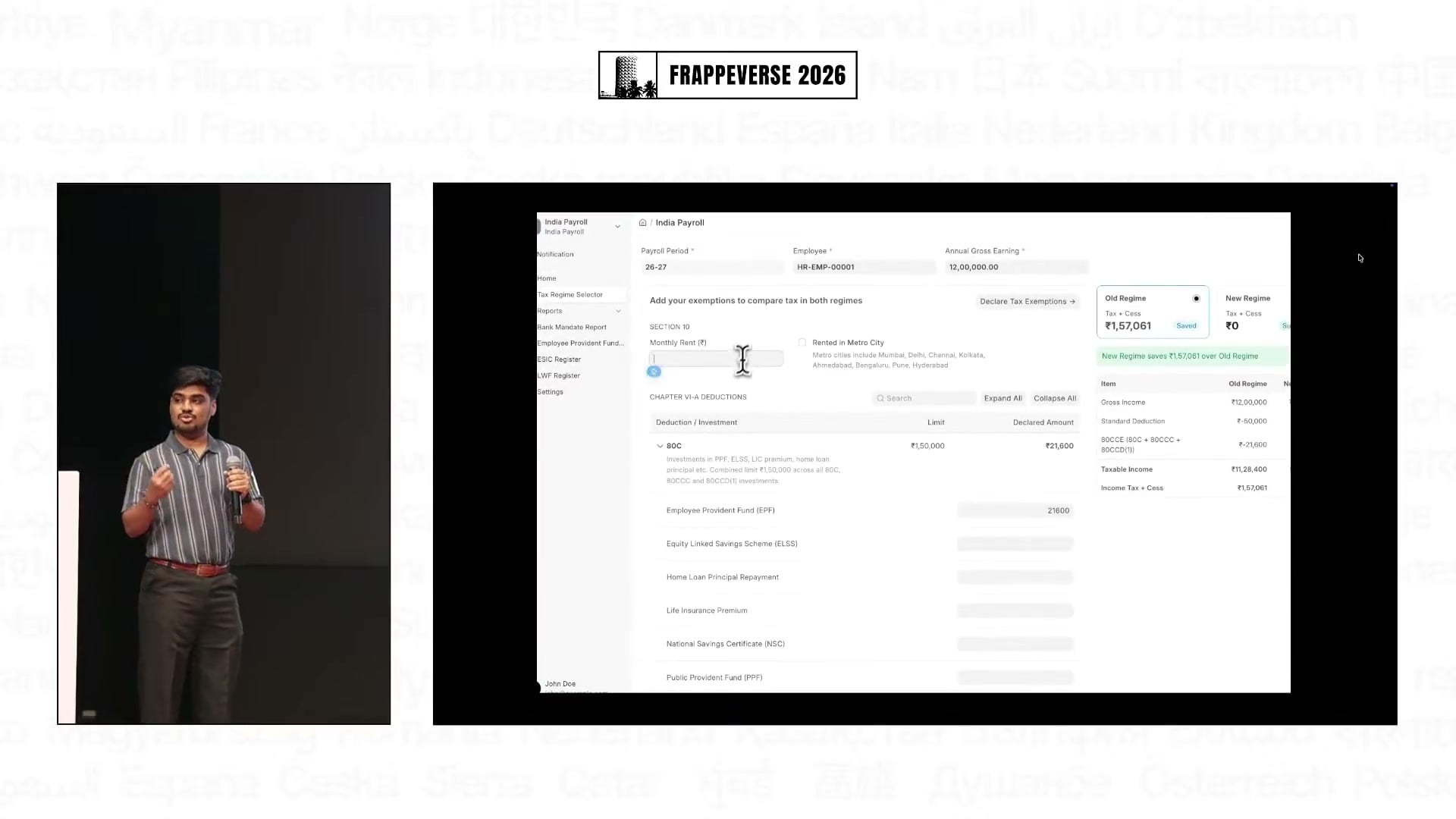
Ruia credited the localization working group with reviewing apps and advising contributors on architecture. He also highlighted automated audits implemented for apps on Frappe Cloud. The USA TaxJar app provided another practical direction: its guided onboarding explains the setup instead of leaving users to discover the configuration on their own.
That focus on experience is important. A compliance app can contain the right rules and still be difficult to adopt. Frappe’s next step is to make the rules, setup and expected workflow legible as one product.
Local pages and a translated product
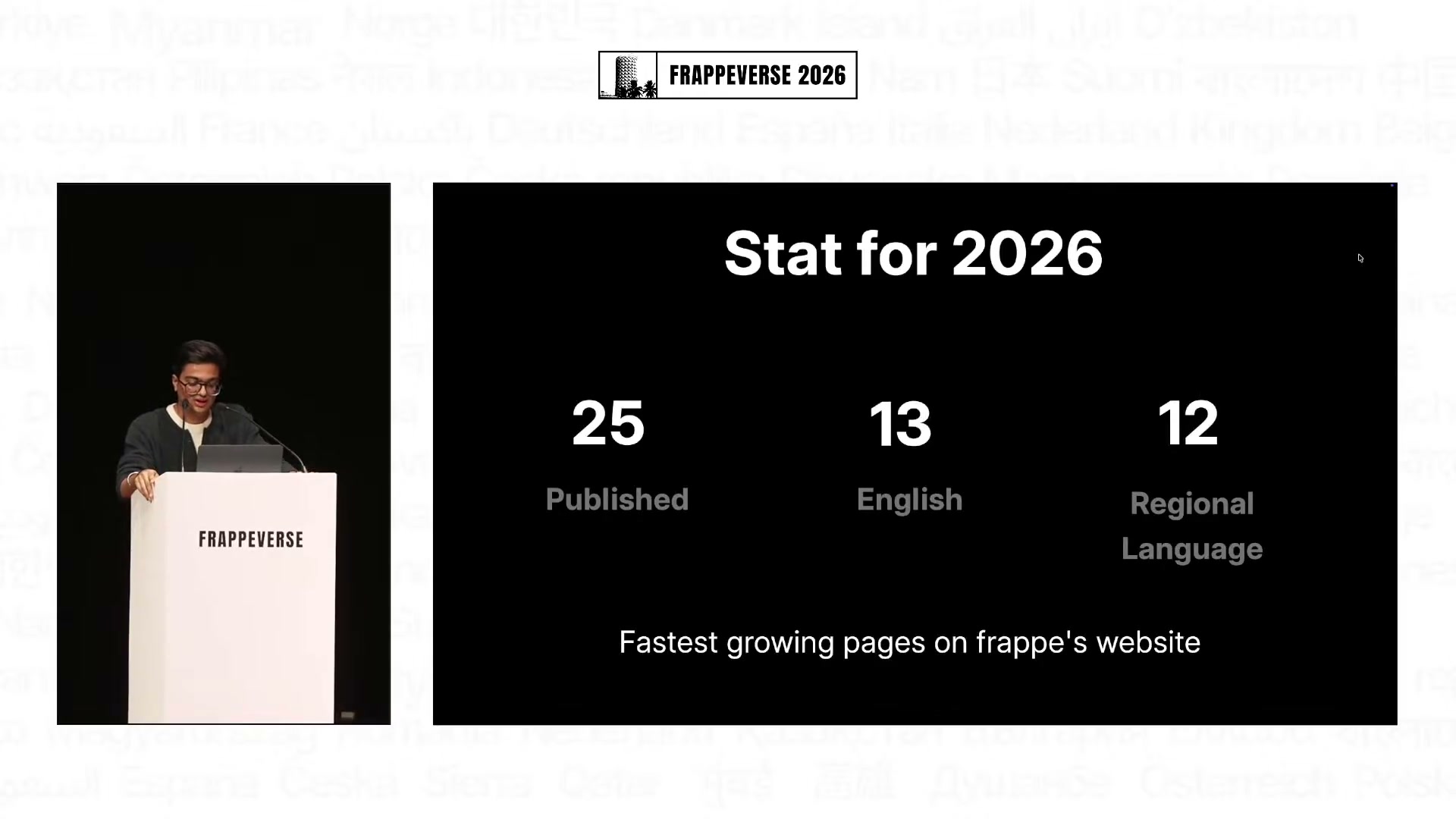
Frappe has also published 25 regional landing pages. Thirteen are written in English and tailored to a particular country; 12 use regional languages. Each page brings together the compliance features ERPNext supports, partners operating in that market and customer stories from the region. Ruia described them as the fastest-growing pages on Frappe’s website.
The product itself is expanding in the same direction. The keynote showed 34 supported in-app languages, including at least 10 new additions, while the volume of translated words doubled. Community contributors did much of that work.
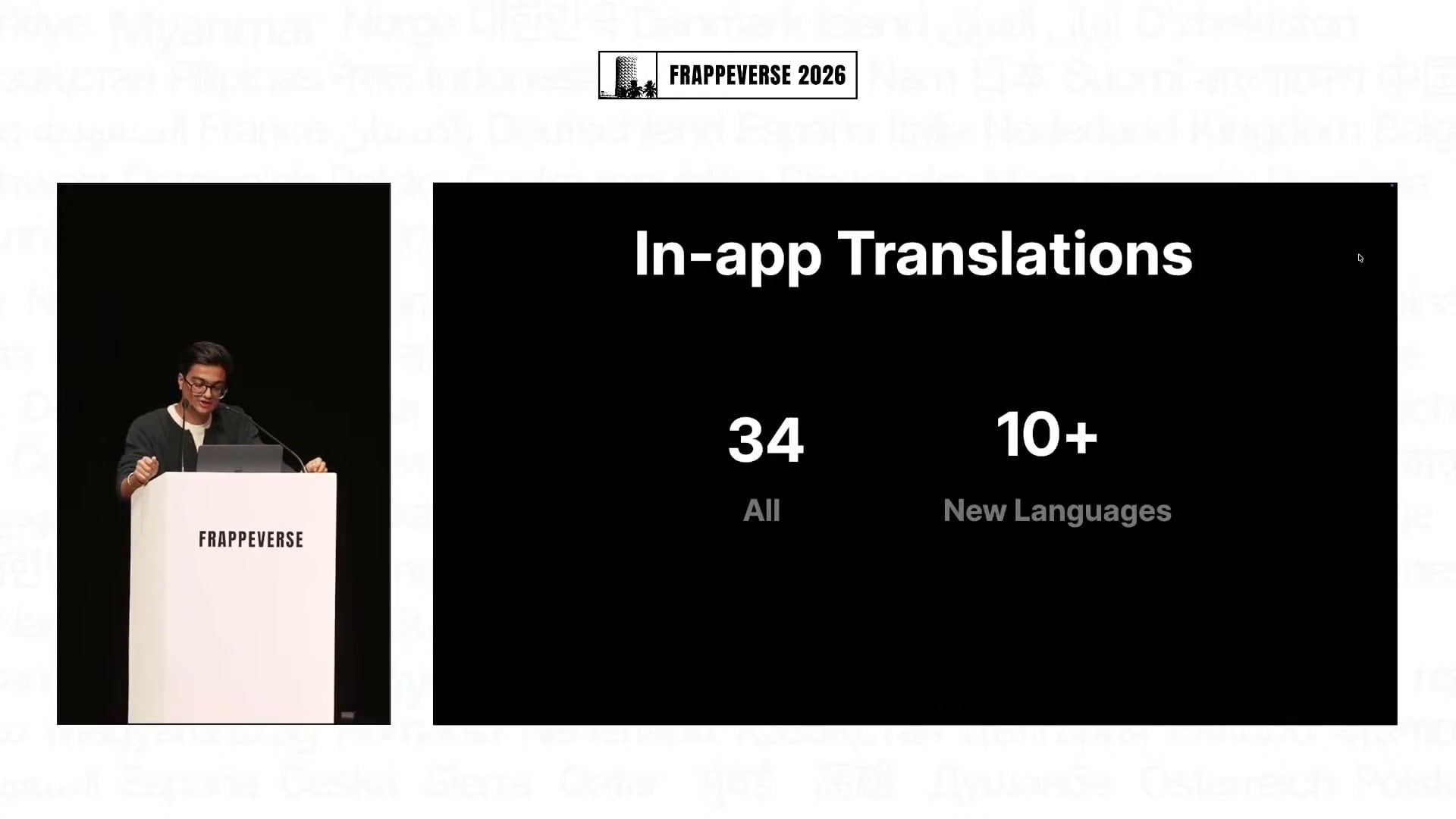
The pieces fit together neatly. A regional page helps a business understand whether ERPNext belongs on its shortlist. A compliance app handles the statutory requirements. A translated interface lets the people inside the business actually use it.
ERPNext still has many regions to cover, and every compliance app creates an ongoing maintenance responsibility. But the framework around that work is becoming clearer. Localization is no longer presented as a collection of isolated patches; it is becoming a repeatable way for ERPNext and its partners to enter a country together.
Watch the full Day 1, Track 1 livestream from the start of this keynote